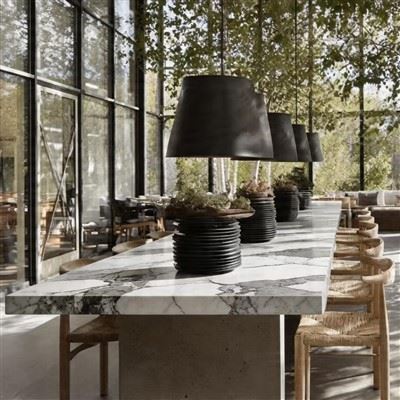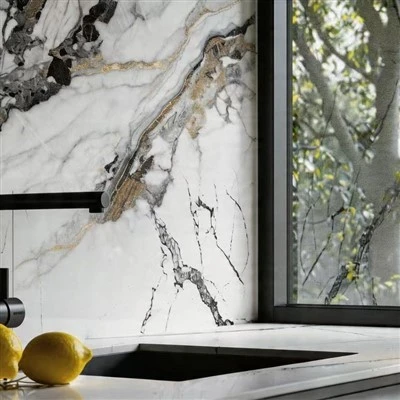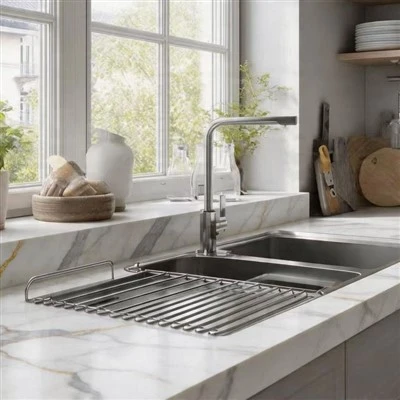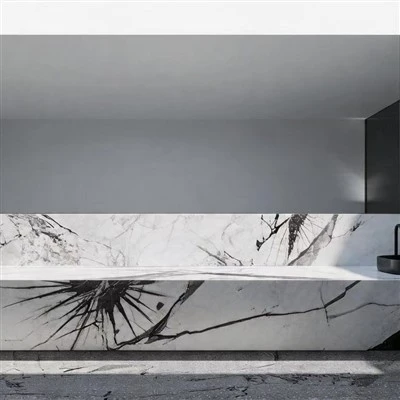
The core difference between matte and glossy quartz products lies in the surface treatment process. The matte finish is achieved through physical polishing or chemical etching, which directly affects three key characteristics:
Slip Resistance: The matte surface has a higher roughness, making it particularly suitable for outdoor flooring where slip resistance is crucial.
Stain Resistance: The micro-textured structure may increase the risk of stain adhesion, requiring special attention for surfaces like kitchen countertops.
Gloss Stability: The matte finish better conceals minor scratches from daily use.
When matte quartz stone is applied to different scenarios, the priority of performance requirements changes significantly:
Outdoor paving: Slip resistance and frost resistance become primary indicators; thicker models such as PC quartz tiles are better able to withstand vehicle traffic.
Kitchen countertops: A balance needs to be struck between matte texture and ease of cleaning; products with higher density are more suitable.
Building exterior walls: Greater emphasis is placed on the matte surface's resistance to UV aging, while also considering compatibility with dry-hanging systems.