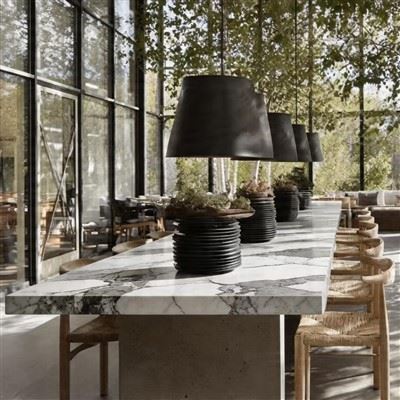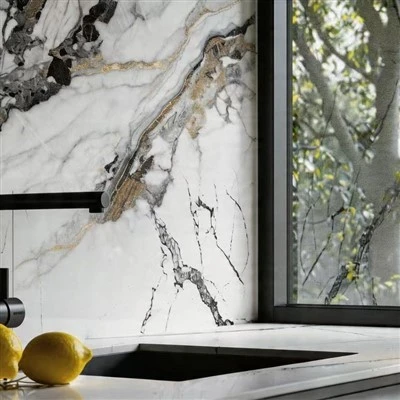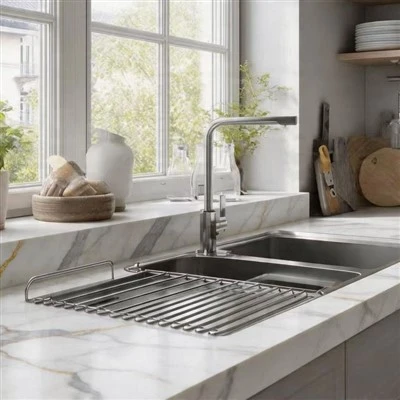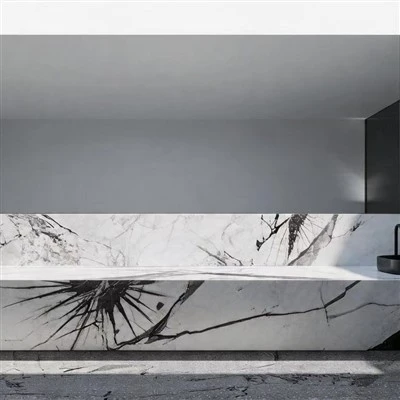
Quartz stone wall coverings are artificial stone made from over 90% natural quartz crystals, resin, pigments, etc., pressed at high temperatures. They are hard, scratch-resistant, and wear-resistant, but their microporous surface easily absorbs oil stains after prolonged contact with cooking fumes. Furthermore, the aging of the adhesive at the joints can lead to yellowing and oil seepage, making them far more difficult to clean than ordinary tiles. They are not waterproof yet susceptible to oil, and while they withstand high temperatures, they cannot withstand repeated scrubbing-this is the underlying reason why many modern kitchens, despite being expensive, look increasingly old after a few years of use.
My kitchen has light gray quartz stone walls. Three years after installation, the area above the stove already had a faint oily sheen. A damp cloth left watermarks, while dry wiping left white marks. Various cleaning agents I tried only dulled the texture. Later, I installed this PVC oil-resistant sticker. Cut it to size and apply it directly to the wall; the edges adhered perfectly, as if it had grown in. The matte texture and quartz stone grain surprisingly harmonized, making it impossible to tell it was "attached." The most surprising thing is that after stir-frying the chili peppers and getting oil splattered on the surface, it's easily wiped clean with a paper towel. No more scrubbing the crevices on tiptoe or being afraid to use steel wool. It doesn't obscure the original material's premium feel; instead, it's like adding an invisible protective shield to the wall.