High Temperature Resistance
Quartz stone has a melting point exceeding 1300 degrees Celsius, exhibiting excellent high-temperature resistance. Therefore, it will not deform or crack upon contact with high temperatures, making it ideal for high-temperature environments such as kitchens.
High Hardness
Quartz stone is one of the hardest minerals in nature, with a Mohs hardness of 7.5, second only to diamond. This high hardness makes the stone surface resistant to scratches and wear, maintaining a new appearance for a long time.
Stain and Leak-Proof
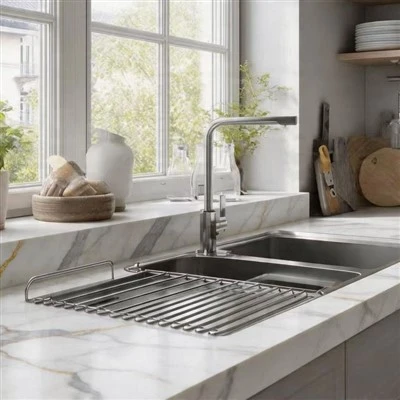
Quartz stone has a non-porous structure, effectively resisting the penetration and contamination of liquids. This makes quartz stone countertops less prone to staining and easy to clean during daily use.
High Density and Antibacterial Properties
The high density and compact structure of quartz stone make it difficult for bacteria and other microorganisms to grow on its surface. At the same time, the smooth and flat surface of quartz stone does not easily accumulate dirt, further enhancing its antibacterial and anti-mildew properties.
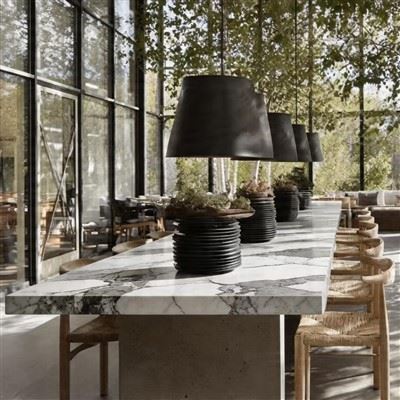
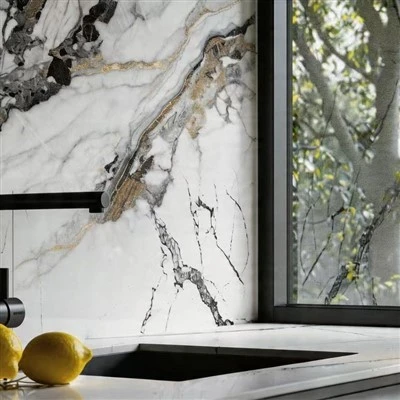
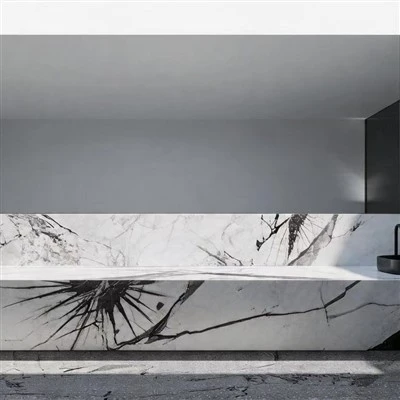
In conclusion, natural quartz stone, with its natural beauty, durability, antibacterial and anti-mildew properties, environmental friendliness, and wide range of applications, has become a preferred material in many decoration and construction fields.